

Clearwater Homeowners Prepare Before Lawn Sprinkler System Contractor Visit
Clearwater sits along the Gulf Coast with sandy soil and frequent afternoon rains. Homeowners there protect their St. Augustine grass and coastal landscapes by scheduling regular sprinkler tune ups. Proper preparation makes every contractor visit more productive and keeps systems efficient year round.
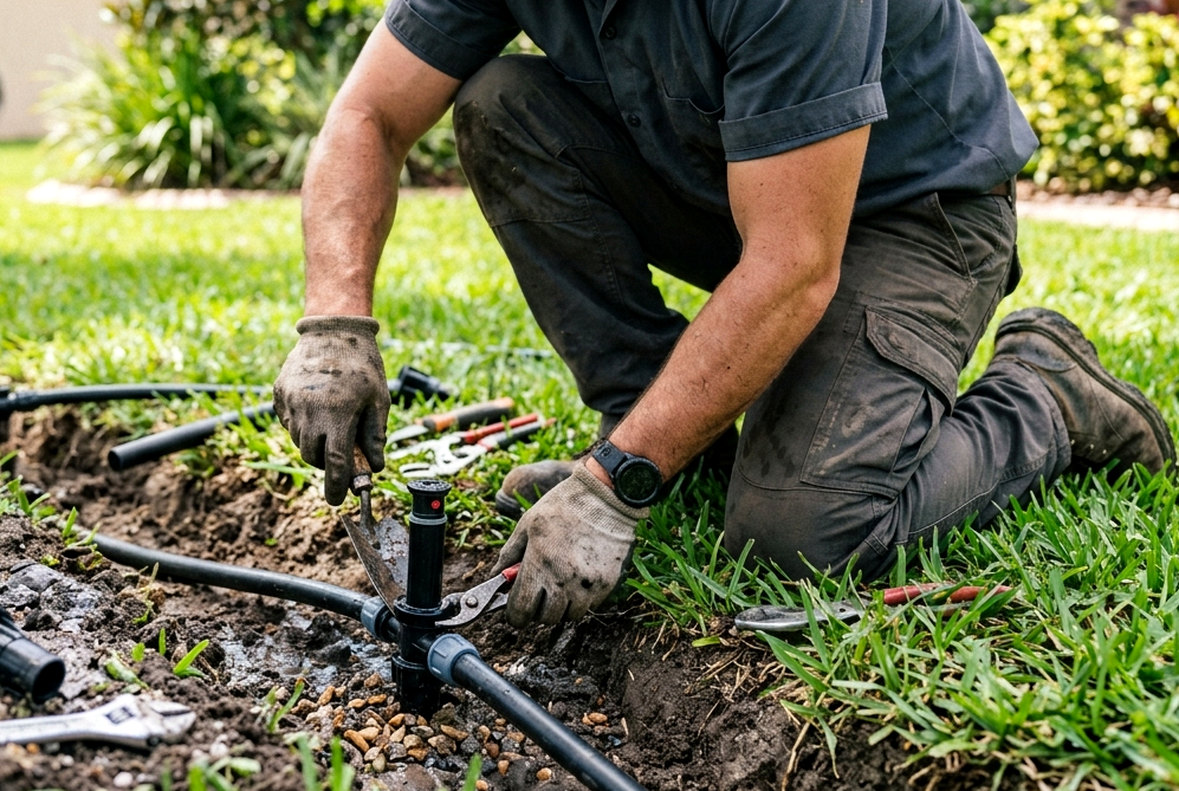
Residents near Pier 60 or in neighborhoods like Mandalay Beach know sudden summer storms expose weak sprinkler heads fast. They gather details and clear access points so the technician spots issues quickly. This approach saves time and prevents small problems from growing into major repairs.
Lawn Sprinkler System Basics
A lawn sprinkler system is a network of pipes, valves, heads and a controller that delivers precise water amounts across a yard. The setup matches local conditions such as sandy Pinellas County soil that drains fast and salt air that corrodes parts over time. Systems range from simple rotor heads for large open spaces to precise drip lines tucked around foundation plantings common in older Clearwater bungalows.
Components wear at different rates. Spray heads clog with sand. Valves stick after heavy rains flood the box. Controllers lose programming during lightning storms frequent along the coast. Knowledge of these patterns lets homeowners describe symptoms accurately instead of offering vague guesses. Technicians arrive ready with matching parts and finish the job in one trip.
Documents Homeowners Gather
Homeowners locate the original irrigation plan if the house came with one. Many Clearwater properties built in the 1970s and 1980s still use those faded blueprints stored in garage filing cabinets. The diagram shows zone layouts, pipe routes and valve box locations buried under years of landscaping mulch.
Utility bills from the past year reveal spikes that point to leaks or overwatering. Photos taken with a phone document dry patches near the driveway or soggy spots by the sidewalk where the system clearly fails. A list of recent changes such as new sod or added flower beds helps the contractor understand shifts in water demand. These records turn a routine service call into a targeted diagnostic session.
Clearwater lawn sprinkler contractors review this information on site and adjust recommendations to match the actual yard instead of guessing.
Yard Access and Safety Steps
Clear walkways around the house so the technician reaches every valve box without stepping through flower beds. Move patio furniture, kids toys and garden hoses that block sidewalks in neighborhoods close to Clearwater Beach where homes sit on narrow lots. Trim overgrown shrubs away from sprinkler heads so the crew sees each nozzle clearly.
Secure dogs in the fenced backyard or inside the house. Local families know curious pets dart toward strangers carrying tools. Lock the gate to the pool area because many Clearwater homes feature screened enclosures near irrigation lines. Remove loose debris like palm fronds that drop after storms because they clog heads and hide broken parts.
Mark underground utilities with flags from the utility company if recent digging occurred. One call to Sunshine 811 prevents accidental line strikes that delay the entire visit. These small actions create safe conditions and let the work start immediately upon arrival.
Questions Homeowners Prepare
Homeowners write down specific observations. They note which zones run too long or which heads mist instead of spray. Questions focus on water pressure readings at the meter, the age of the controller and signs of corrosion on exposed brass fittings common in coastal air. A short list keeps the conversation on track and prevents forgotten details once the technician packs up.
Residents ask about seasonal adjustments for the dry winter months versus the heavy summer rains that define Clearwater weather. They inquire how smart controllers handle sudden storms and whether rain sensors still meet current Pinellas County codes. Prepared questions turn the visit into a two way exchange that improves long term system performance.
Watering Schedule and Usage Review
Homeowners track the current watering schedule for each zone. They note start times, run durations and frequency so the contractor compares them against local evapotranspiration rates. Clearwater yards near the Intracoastal often need less water than inland spots because humidity stays higher.
A simple notebook or phone app records recent rainfall amounts. This data shows whether the system overrides rain events or continues to water saturated ground. The review highlights opportunities to dial back usage during the wet season that runs from June through September. Such adjustments cut bills and protect the fragile coastal ecosystem that residents value.
Your Local Biz Directory helps residents locate more home services across the area after the contractor finishes the visit.
Clearwater homeowners who complete these steps see faster diagnoses and fewer return trips. The preparation respects the technician time while protecting the investment in a healthy lawn that defines many coastal Florida properties. Clearwater yards stay green and efficient when owners arrive ready for the appointment.