
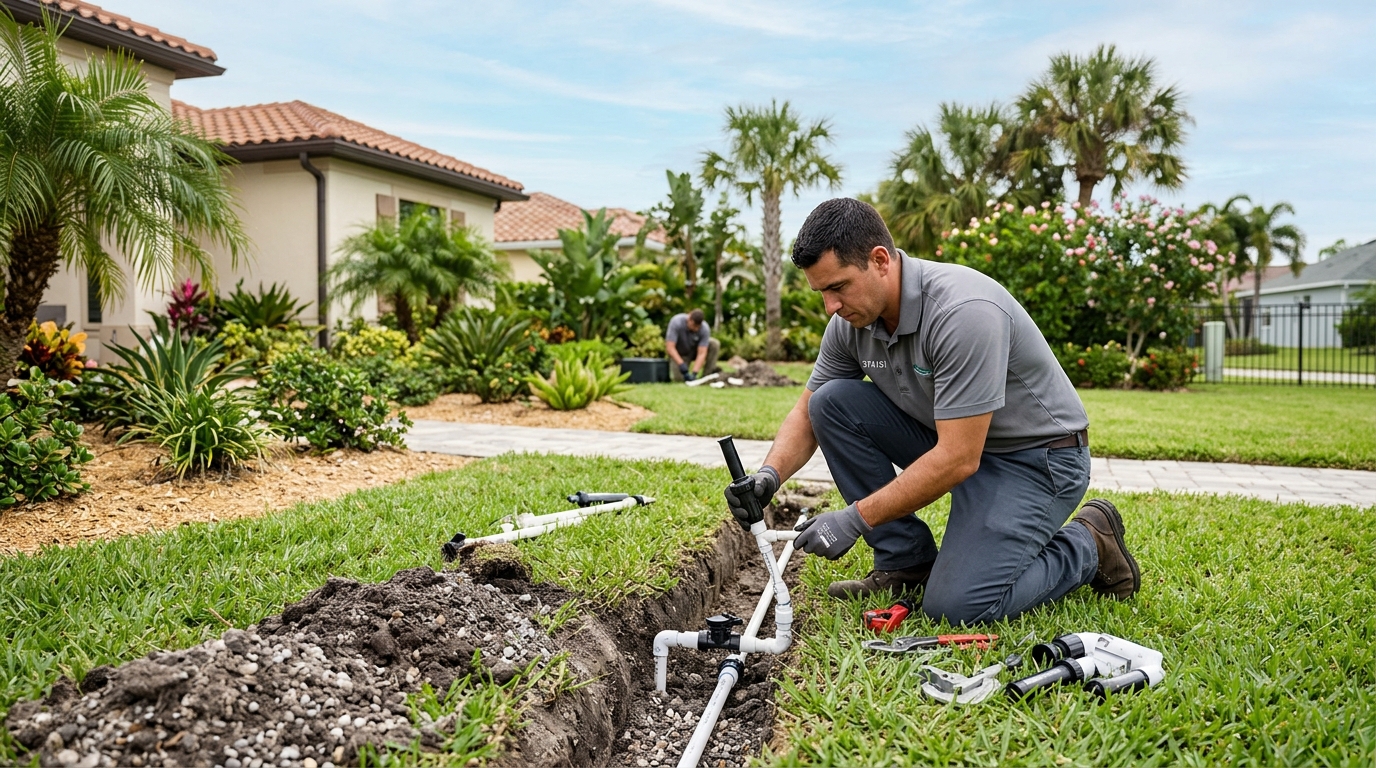
Lawn Sprinkler System Contractor Costs in Clearwater: What Shapes the Price
Clearwater sits along the Gulf Coast where sandy soil, salt air, and the relentless Florida sun create a year-round irrigation season. Lawns here don't get a dormant winter reprieve, so sprinkler systems work harder and require more maintenance than in most of the country. That constant demand shapes the local market for irrigation contractors and, ultimately, what homeowners pay.
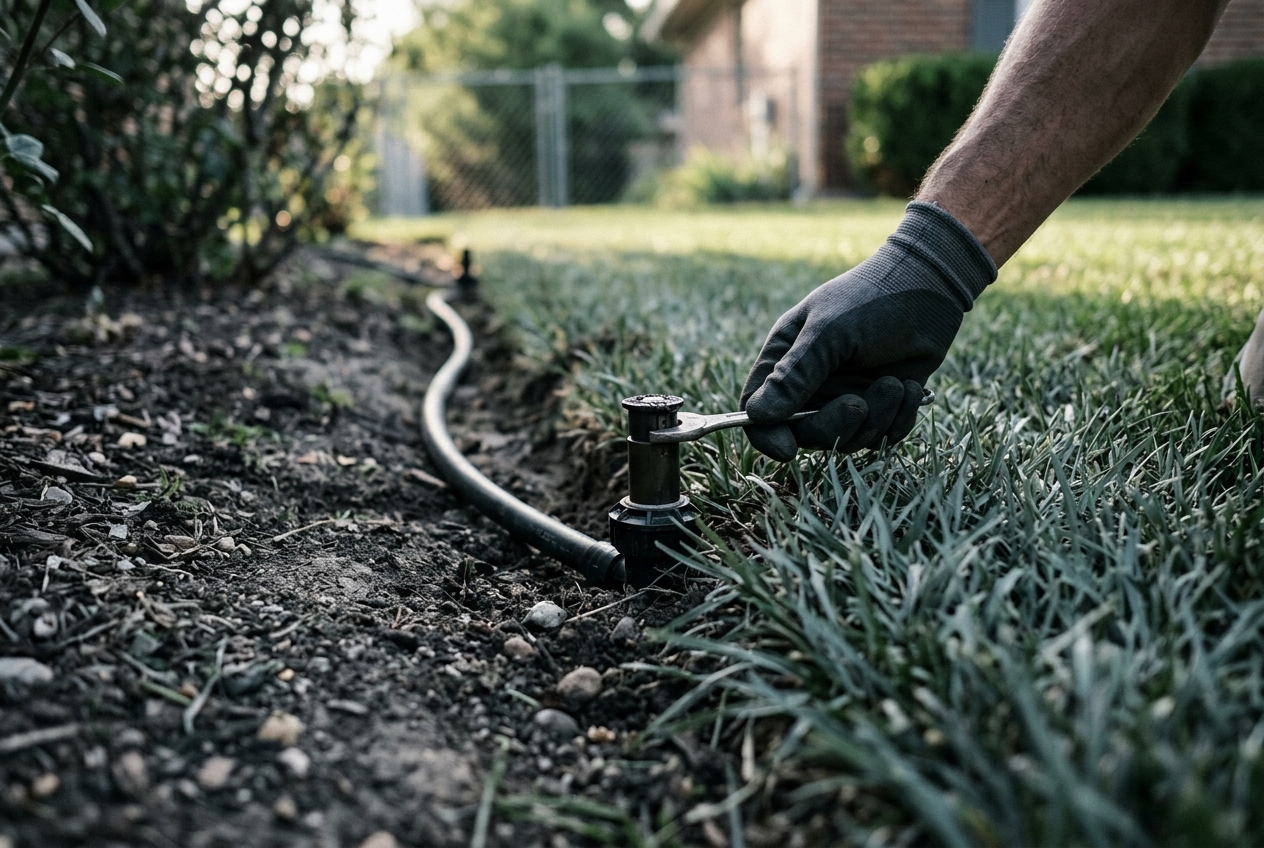
Understanding the cost drivers behind a sprinkler project puts you in a better position to evaluate quotes, ask the right questions, and avoid surprises. Prices vary based on the scope of the job, the site conditions unique to Clearwater properties, and the regulatory environment that governs outdoor water use in Pinellas County. Residents across Clearwater face a range of variables that differ from inland Florida markets.
Lot Size and Zone Count
The single biggest driver of sprinkler system cost is the number of irrigation zones a property requires. Each zone covers a defined area and runs off its own valve. Larger lots in neighborhoods like Countryside or the areas east of US-19 require more zones, more pipe, more valves, and more labor hours to install. A small bungalow near Clearwater Beach costs far less to set up than a sprawling corner lot in a newer subdivision.
Contractors calculate zone counts based on head type, water pressure, and the layout of planted areas. Mixing turf zones with drip irrigation for garden beds adds complexity. Each additional zone adds materials and time, and time is the largest component of a labor-heavy trade. Clearwater lawn sprinkler system contractors typically price jobs per zone as a baseline before accounting for site complications.
Soil and Site Conditions in Clearwater
Clearwater's sandy, fast-draining soil near the coast differs from the heavier clay-loam found further inland toward Dunedin or Safety Harbor. Sandy soil loses water quickly, which affects head spacing and runtime recommendations. Properties with significant grade changes or mature tree root systems add trenching difficulty and time. Roots from large oaks common in older Clearwater neighborhoods force crews to hand-dig around them rather than use mechanical trenching equipment.
Underground utilities and existing hardscaping complicate installs further. A property with an established paver driveway or extensive pool deck requires careful routing to avoid cutting and replacing expensive finishes. Contractors charge more for these conditions because the labor hours climb. Coastal properties near the Intracoastal Waterway sometimes deal with corrosive salt exposure, which influences head and valve material selection.
Water Source and Pressure Requirements
Irrigation systems in Clearwater draw from one of two sources: reclaimed water or potable water through the municipal supply. Pinellas County has an extensive reclaimed water distribution network, and properties with reclaimed service often pay lower ongoing water costs. Connecting to that reclaimed line requires specific backflow prevention equipment and a separate meter connection. Both add upfront cost to the project.
Water pressure varies across Clearwater's neighborhoods. Low-pressure areas need booster pumps to deliver adequate flow to all zones simultaneously. High-pressure areas need pressure-reducing valves to protect heads from blowout. Either scenario adds equipment and labor to the project. A contractor assessing a property near the Intracoastal Waterway faces different pressure realities than one working a lot near Drew Street or the US-19 corridor. View local home service listings for a broader picture of specialty trades in this region.
Permits and Pinellas County Code Requirements
Florida requires licensed contractors to pull permits for irrigation system installations, and Pinellas County enforces its own water use restrictions on top of state requirements. Permit fees, inspection scheduling, and the time spent coordinating with the county add cost to every new install. Some municipalities within Clearwater's service area have additional overlay rules about irrigation schedules and reclaimed water use.
Backflow preventer testing is a recurring requirement, not a one-time cost. Licensed contractors complete the installation with a backflow device that local water utilities inspect annually. Factor that recurring inspection into the true cost of ownership for any sprinkler system. Contractors familiar with Pinellas County code requirements navigate these layers faster, which affects both the project timeline and the final invoice.
System Age, Repair Scope, and Retrofit Complexity
Repair and retrofit jobs carry their own cost logic separate from new installs. An older system with original polybutylene pipe requires more aggressive diagnosis because the pipe itself degrades over time. Replacing heads on a modern PVC-piped system is straightforward. Chasing leaks through a decades-old system with mismatched fittings and buried splice points takes far longer.
Clearwater's growth along the waterfront corridors and around downtown means many properties hold both older homes and newer additions. A contractor retrofitting an irrigation system to cover a new addition must integrate with existing zone logic, valve boxes, and controller wiring. Newly landscaped side yards add to that complexity. Smart controller upgrades add cost but reduce long-term water consumption and qualify for water conservation rebates from local utilities. Homeowners comparing quotes benefit from knowing whether each bid includes controller programming and a full system walk-through after the work wraps up.
Clearwater's combination of sandy coastal soil, reclaimed water infrastructure, Pinellas County permitting, and year-round irrigation demand creates a specific cost environment that differs from most of Florida. Knowing what drives the numbers helps you read a quote with more confidence and push back on line items that don't apply to your property. Irrigation contractors in this market work within a set of local conditions that reward homeowners who show up to the conversation informed.