Local businesses in Tampa, FL listed on yourlocalbizdirectory.shop

About Tampa, FL

Tampa operates as a significant economic engine on Florida's Gulf Coast. The city contributes substantially to the state's commercial activity. Port Tampa Bay, Florida's largest port, handles over 37 million tons of cargo annually, generating $17 billion in economic impact. This maritime hub supports thousands of direct and indirect jobs across logistics and trade. Tampa's business landscape encompasses robust financial services, a growing technology sector, and established healthcare industries. Over 50,000 businesses operate within Hillsborough County, providing diverse services and products to a metropolitan population exceeding 3.2 million residents.

The city consistently attracts new enterprises, reflecting steady regional growth. Hillsborough County added 15,000 jobs in 2023, indicating an expanding workforce and business demand. Small businesses form the backbone of Tampa's local economy, representing 98.7% of all firms and employing 45.4% of private sector workers. These independent operations drive local spending and create distinct neighborhood identities. Areas like Ybor City, Downtown Tampa, and Hyde Park Village each host specific concentrations of businesses, serving both residents and the 28 million tourists visiting the Tampa Bay area annually. Businesses here directly support the local economic ecosystem.

Neighborhoods and Landmarks in Tampa

Ybor City Historic District. Tampa's original cigar-manufacturing district now hosts independent restaurants, galleries, and specialty shops in restored 1890s brick buildings along 7th Avenue. The district processes over 2 million visitors annually.

Hyde Park Village. A 12-block walkable retail and dining district in South Tampa featuring independently owned boutiques, restaurants, and service businesses. The tree-lined streets and Mediterranean Revival architecture date to the 1920s.

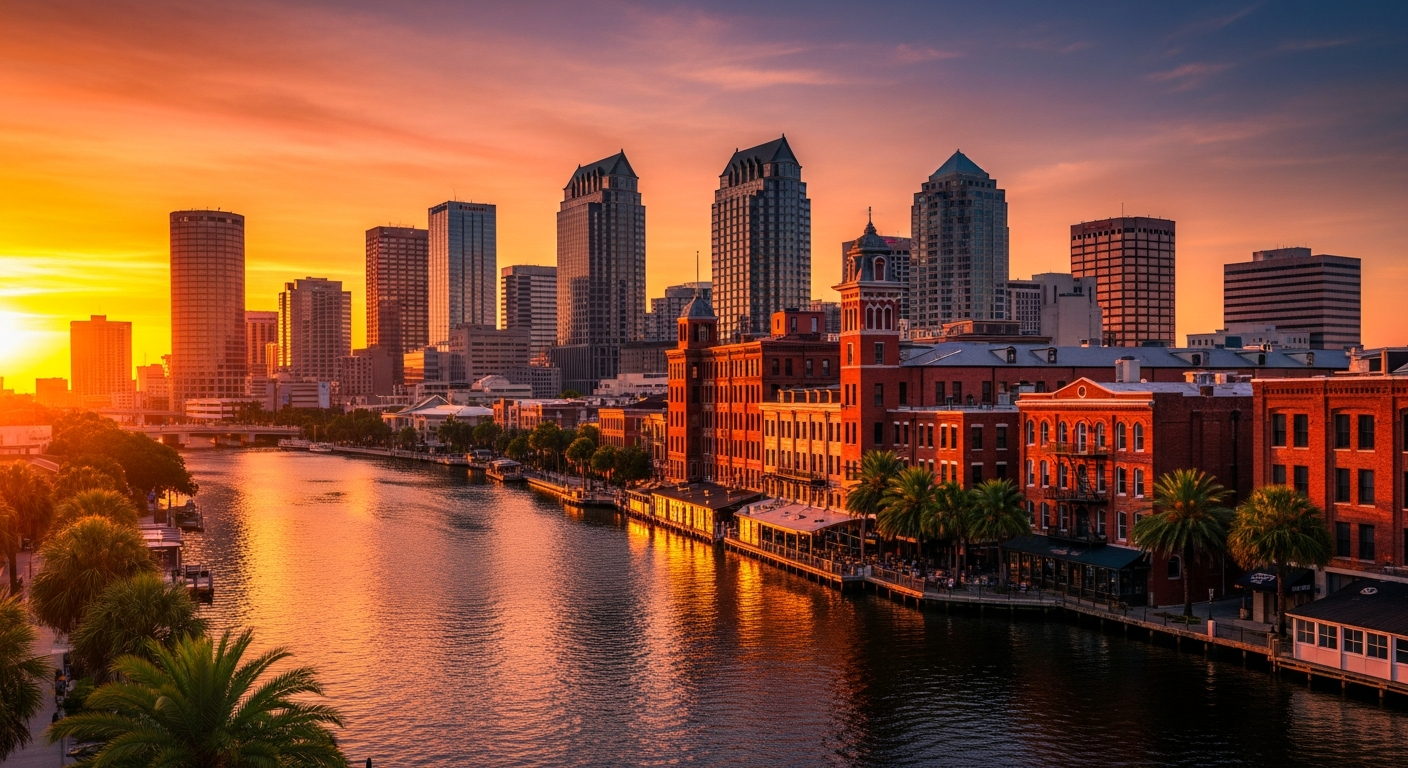
Tampa Riverwalk. A 2.6-mile pedestrian path connecting downtown's waterfront businesses, parks, and cultural venues along the Hillsborough River. Local restaurants and vendors operate seasonal kiosks along the route.

Seminole Heights. A residential neighborhood north of downtown where craft breweries, farm-to-table restaurants, and vintage shops occupy converted bungalows and storefronts along Florida Avenue.

Channelside District. Tampa's waterfront entertainment and dining district adjacent to the Port of Tampa. Independent seafood restaurants and service businesses serve both residents and cruise port visitors.

Westshore Business District. The largest commercial office district in the Tampa Bay region, home to professional service firms including accountants, attorneys, and insurance agencies serving the metropolitan area.

Upcoming Events in Tampa

Jan 25

Gasparilla Pirate Festival

Bayshore Boulevard, Tampa

Tampa's signature annual event draws 300,000 attendees for a pirate-themed parade, live music, and food vendors along Bayshore Boulevard. Local restaurants and bars run special menus throughout the week.

Every Saturday

Ybor City Saturday Market

Centennial Park, Ybor City

A weekly farmers market featuring 80+ local vendors selling produce, prepared foods, handmade goods, and artisan products in the heart of Ybor City's historic district.

Mar 14

Tampa Bay Home Show

Tampa Convention Center

Annual home improvement expo connecting homeowners with licensed local contractors, plumbers, electricians, and landscapers. Over 200 exhibitors from the Tampa Bay area participate.

Apr 18

Riverwalk Wine and Dine

Tampa Riverwalk

Outdoor food and wine festival along the Tampa Riverwalk featuring 30+ independent Tampa restaurants, craft breweries, and local wineries.

Every Sunday

Seminole Heights Sunday Morning Market

Hillsborough Ave, Seminole Heights

Weekly community market with local food trucks, plant vendors, handmade crafts, and live acoustic music in Tampa's Seminole Heights neighborhood.

Restaurants & Dining in Tampa

Datz

Datz

2616 S MacDill Ave, Tampa, FL

(813) 831-7000

Home Services in Tampa

Retail & Shopping in Tampa

Beauty & Grooming in Tampa

Tips for Finding Local Businesses in Tampa

What are the primary business sectors driving Tampa's economy?

Tampa's economy relies on several key business sectors. Financial services firms, including numerous regional headquarters, employ over 70,000 professionals across the metropolitan area. Healthcare represents another major employer, with institutions like Tampa General Hospital and Moffitt Cancer Center anchoring a sector employing over 120,000 individuals. The technology sector experiences rapid expansion, with over 2,000 tech companies operating in the region. Logistics and trade businesses thrive due to Port Tampa Bay's operations. These industries collectively support thousands of local businesses providing support services and specialized products.

Where do local businesses concentrate in Tampa for specific services or products?

Tampa's distinct neighborhoods host unique business concentrations. Ybor City, a historic district, features independent restaurants, entertainment venues, and boutique shops. Downtown Tampa serves as the financial and governmental core, housing corporate offices, professional services, and new residential developments with ground-floor retail. Hyde Park Village offers upscale retail boutiques, dining experiences, and personal care services. Seminole Heights boasts a collection of independent eateries, craft breweries, and vintage stores. Each area provides specific business types, catering to various consumer needs across the city.

How do small businesses contribute directly to Tampa's local economy?

Small businesses form a critical component of Tampa's economic structure. They represent 98.7% of all businesses in Hillsborough County. These firms employ 45.4% of the private sector workforce, creating vital job opportunities for local residents. Small businesses circulate a higher percentage of revenue within the local economy compared to larger corporations. This local spending supports other area businesses and service providers. They also foster neighborhood character and offer specialized products and services often unavailable from larger chains. Their direct economic contribution strengthens community stability.